
 10.11.2026
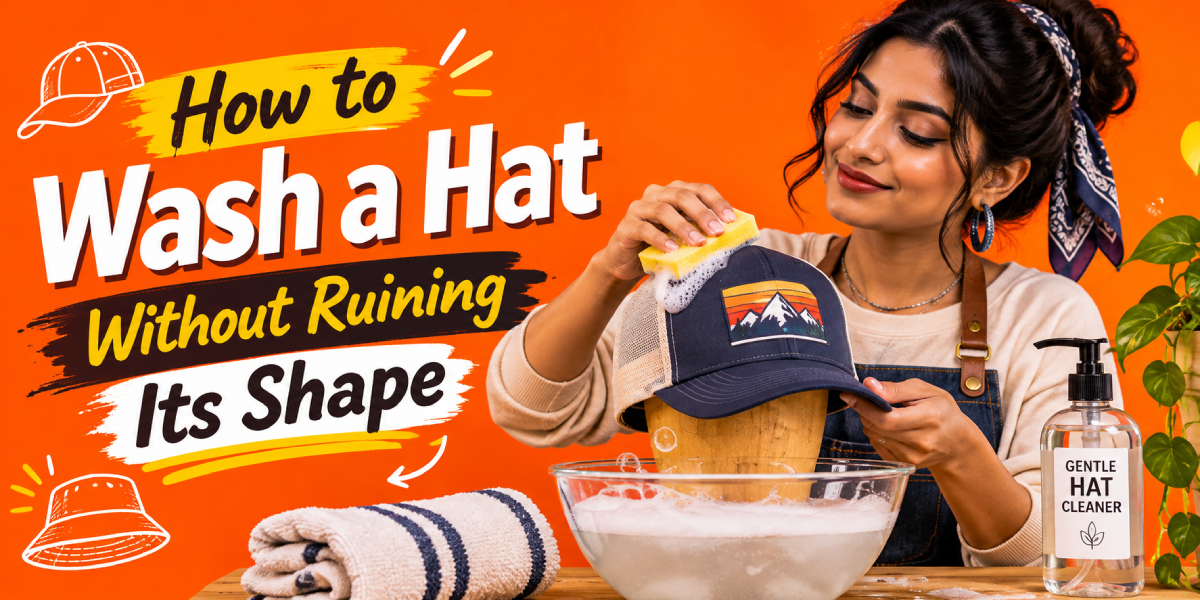
Your favourite hat looks great until sweat, dust or everyday dirt starts showing. Washing it seems simple, but the wrong cleaning method can leave the brim bent, the crown collapsed or the fabric shrunken.
The safest general approach is to check the care label first, clean gently with cool water and mild detergent when permitted, and air-dry the hat while supporting its original shape.
Here’s how to clean different types of hats without unnecessary damage.
Before Washing: Check the Hat’s Material and Care Label
Not every hat can be washed in water. Some fabrics and internal structures are especially sensitive to moisture.
Before cleaning, check three things:
- Care instructions: Does the label permit hand washing, machine washing or spot cleaning only?
- Material: Is the hat made from cotton, polyester, wool, felt, straw or another material?
- Construction: Does it have a structured crown, stiff brim, decorative details or a cardboard insert?
Wichtig: Vintage caps and some structured hats may contain cardboard or other moisture-sensitive materials. If you’re unsure about the brim’s construction, avoid soaking it.
How to Hand Wash a Baseball Cap
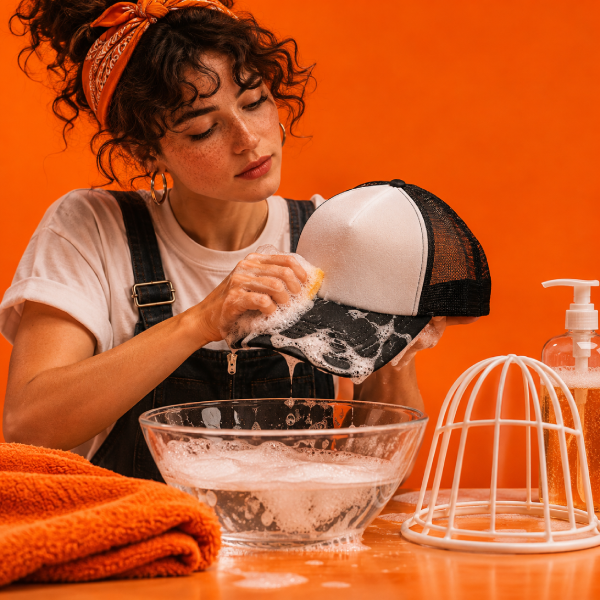
For many washable cotton or polyester baseball caps, gentle hand washing is a good option.
You’ll need: cool water, a small amount of mild detergent, a soft cloth or brush and a clean towel.
- Inspect the cap. Check the label and make sure its materials and brim can tolerate water.
- Remove loose dirt. Gently brush away dust and surface debris.
- Prepare the water. Fill a clean basin with cool water, approximately 20–30°C, if permitted by the care label.
- Add mild detergent. Use a small amount and mix it into the water.
- Clean gently. Use a soft cloth to clean the sweatband, crown and visible stains. Avoid excessive scrubbing.
- Rinse carefully. Remove detergent with clean water, using a damp cloth for hats that shouldn’t be submerged.
- Remove excess moisture. Gently blot with a towel. Don’t twist or wring the hat.
- Reshape and air-dry. Support the crown and allow the hat to dry completely.
For delicate or heavily structured caps, spot cleaning is often safer than fully immersing the hat.
How to Clean a Hat Without Soaking It
Spot cleaning is useful when the hat has only a few marks or when full washing could damage its structure.
- Brush off loose dust.
- Test a small amount of mild cleaning solution on an inconspicuous area.
- Lightly dampen a soft cloth with the solution.
- Gently dab the stained area without soaking the material.
- Use a second lightly dampened cloth to remove detergent residue.
- Blot with a dry towel and let the hat air-dry.
This method is particularly useful for cleaning sweatbands and small stains while limiting moisture exposure.
Can You Wash a Baseball Cap in the Washing Machine?
Only if the manufacturer specifically allows machine washing.
Washing machines can expose hats to agitation, spinning and pressure that may distort the brim or crown.
If the care label permits machine washing:
- Choose the recommended gentle cycle.
- Use the permitted water temperature, often cool.
- Wash with lightweight items rather than heavy garments.
- Use a suitable protective laundry bag if recommended.
- Avoid excessive spinning when possible.
- Reshape the cap immediately after washing.
If the label doesn’t clearly permit machine washing, hand cleaning is generally the more cautious approach.
How to Wash Different Types of Hats
The right cleaning method depends on the hat’s material and construction.
| Hutart | Suggested Cleaning Method | Main Precaution |
|---|---|---|
| Cotton Baseball Cap | Gentle hand cleaning if label permits | Protect brim and crown shape |
| Polyester Cap | Cool-water hand cleaning if permitted | Avoid excessive heat |
| Knitted Beanie | Gentle wash according to fibre label | Don’t stretch or wring |
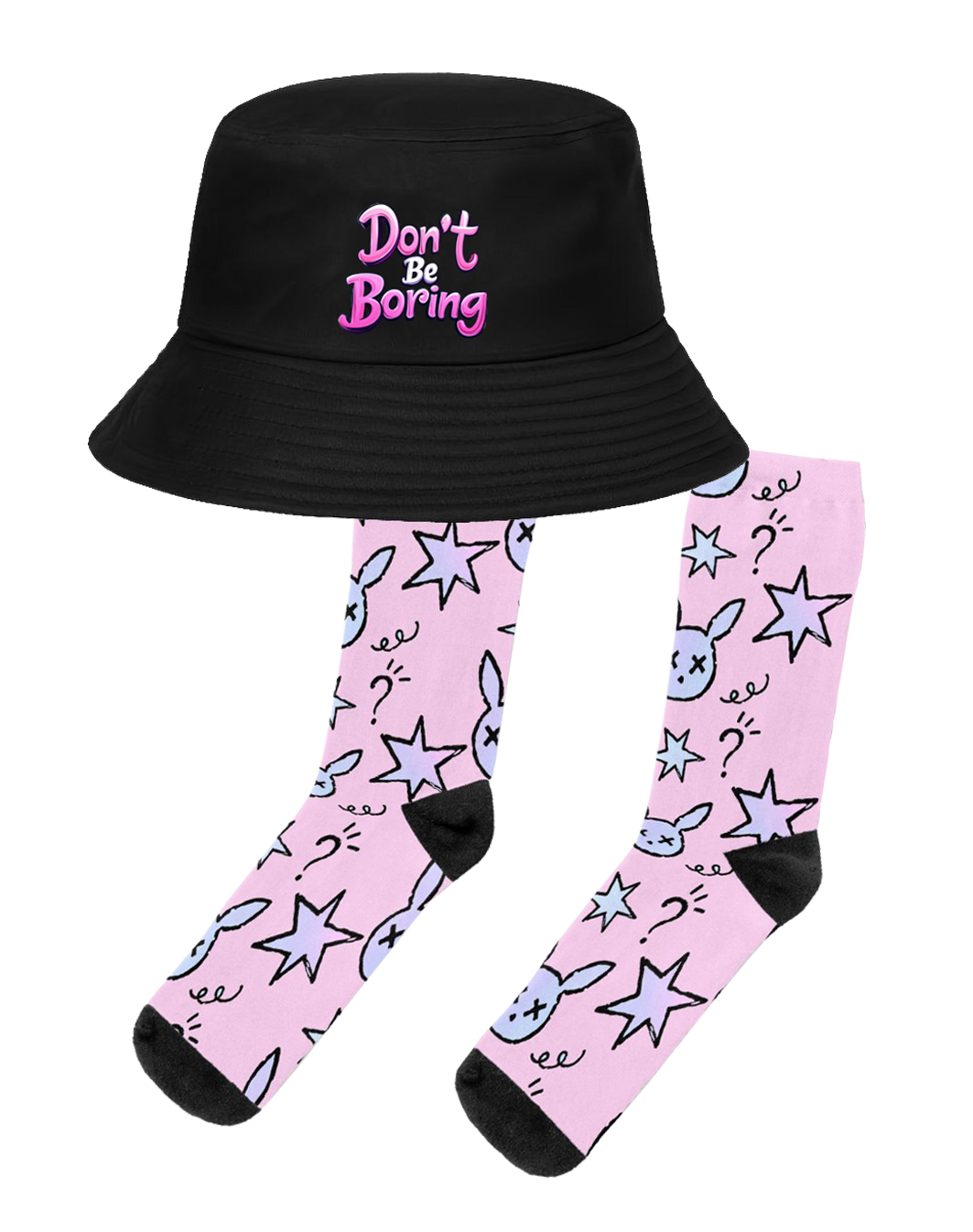
| Bucket Hat | Hand or machine wash only as permitted | Reshape brim while damp |
| Wool Felt Hat | Gentle dry brushing or specialist cleaning | Avoid soaking and rubbing |
| Strohhut | Dry dusting or careful surface cleaning | Avoid saturation and deformation |
These are general recommendations. Always follow the care instructions for your particular hat.
How to Wash a Beanie Without Stretching It
Beanies often have flexible knitted structures that can lose their shape if handled roughly.
If the care label permits washing:
- Use the recommended water temperature and detergent.
- Gently wash without rubbing or twisting the knit.
- Rinse carefully if required.
- Press out excess water using a towel instead of wringing.
- Lay the beanie flat and gently reshape it.
- Allow it to dry fully before wearing or storing.
Wool beanies: Use the specific wool-care instructions on the label. Wool can felt or shrink when exposed to inappropriate heat and agitation.
How to Remove Sweat Stains From a Hat
The inner sweatband often collects more dirt than the rest of the hat.
For washable materials, try this gentle method:
- Mix a little mild detergent with cool water.
- Test the solution on a hidden area.
- Apply it to the sweatband with a soft cloth.
- Gently work on the stained area without harsh scrubbing.
- Remove residue with a clean, damp cloth.
- Blot dry and allow the sweatband to air-dry completely.
Old stains may not disappear completely, and strong stain removers can cause discoloration or damage certain materials.
How to Dry a Hat Without Losing Its Shape
Drying is one of the most important steps in hat care.
After cleaning:
- Reshape the crown: Smooth it gently back into its original form.
- Support the inside: Use a clean, appropriately sized rounded support or loosely placed clean towels if the hat’s structure allows it.
- Protect the brim: Keep it in its intended shape without bending or pressing it.
- Air-dry: Choose a ventilated location away from strong direct heat.
- Wait until fully dry: Storing a damp hat can encourage unpleasant odors and mildew.
Avoid placing hats directly on radiators or using a hot hairdryer, as heat can damage some fibres, adhesives and internal structures.
Can You Put a Hat in the Dryer?
For many structured hats, tumble drying is not recommended.
Heat and movement can distort the brim, change the crown shape or damage internal components.
Only tumble dry a hat if its care label explicitly permits it. Otherwise, air-drying with appropriate support is usually the safer choice.
Can You Wash a Hat in the Dishwasher?
It’s generally better to avoid this method.
Dishwashers are designed for dishes, not clothing. Hot water, strong detergents and spray pressure can damage fabric, colour and hat construction.
Even if you’ve heard that dishwashers are a convenient cap-cleaning trick, gentle hand cleaning is usually a more controlled option.
How Often Should You Wash a Hat?
There’s no universal schedule. It depends on how often you wear the hat, how much you sweat and how dirty it becomes.
For everyday care:
- Brush off dust when needed.
- Spot-clean sweatbands and small stains promptly.
- Let the hat air out after wearing.
- Wash when necessary and when the care label permits it.
Avoid unnecessary full washing if simple spot cleaning is enough.
Common Hat-Washing Mistakes
- Ignoring the care label: Some hats should never be submerged.
- Using hot water: Heat may cause shrinkage or deformation.
- Scrubbing too hard: Rough cleaning can damage fibres and surface finishes.
- Twisting or wringing: This can distort the shape.
- Drying with strong heat: Radiators and tumble dryers can damage some hats.
- Storing while damp: Trapped moisture can lead to odors or mildew.
Keep Your Hats and Accessories Looking Their Best
Good hat care starts with understanding the material and construction of the accessory you’re wearing.
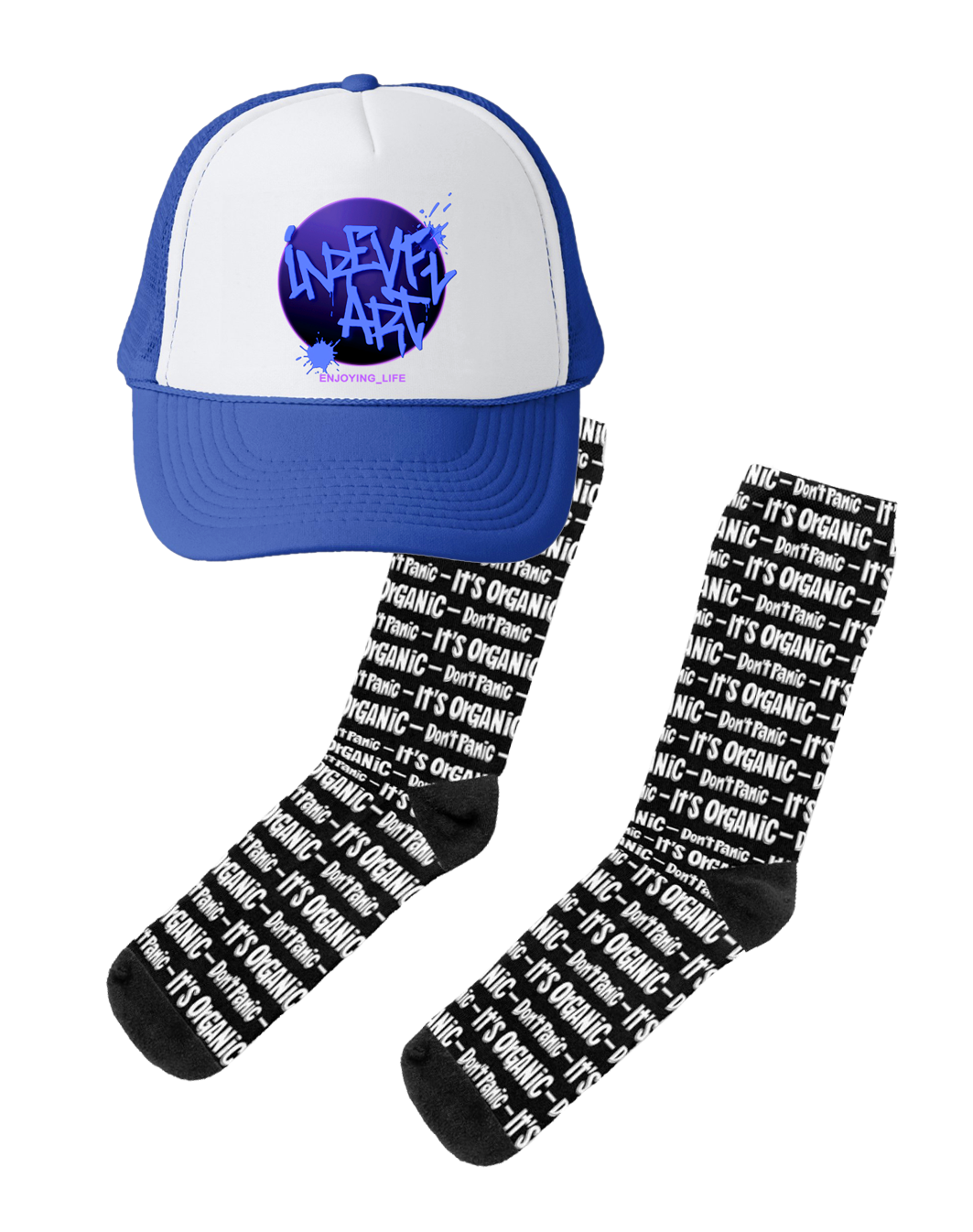
Explore our women’s accessories or browse our men’s accessories for pieces that complement your wardrobe. Always check the individual product’s material and care information before cleaning.
Quick Answer: How to Wash a Hat Without Ruining Its Shape
Check the care label first. For hats that permit washing, clean gently with cool water and mild detergent, avoid twisting or harsh scrubbing, and reshape the hat before air-drying.
For structured, vintage or moisture-sensitive hats, spot cleaning or professional cleaning may be safer than soaking.
The golden rule: Clean the hat according to its material, protect the brim and crown, and let it dry naturally in its original shape.













Schreibe einen Kommentar