
 13.11.2026
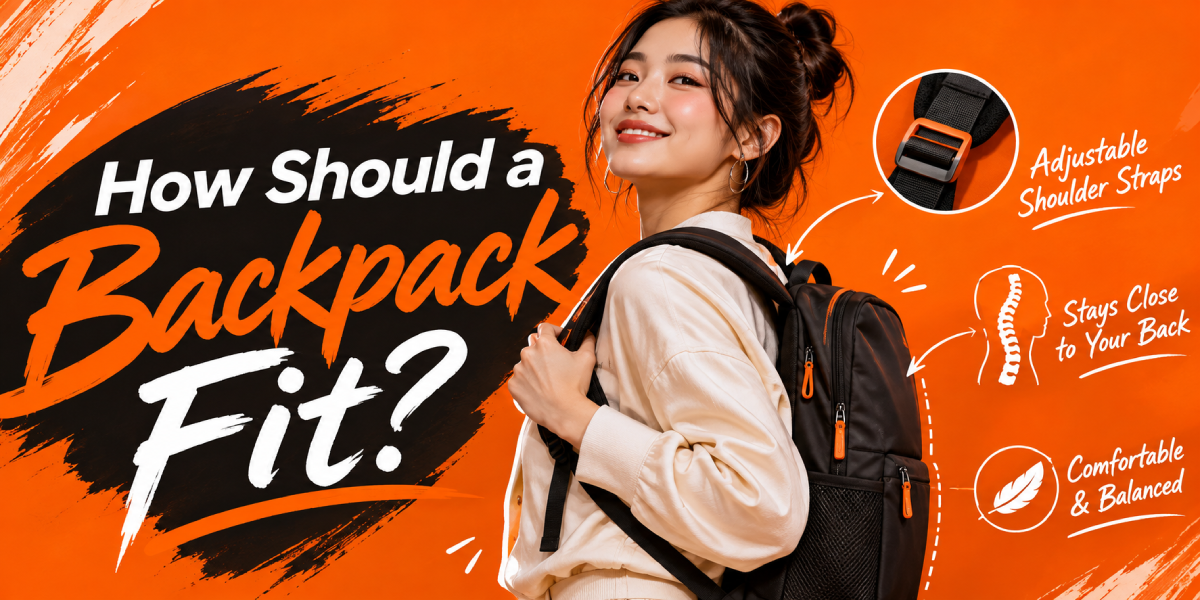
Quick Answer: A backpack should sit close to your back, with comfortable shoulder straps and its weight distributed evenly. For everyday use, the bottom should generally sit around waist level rather than hanging far below it. The backpack should feel stable without restricting movement or causing pressure.
Signs of a Properly Fitted Backpack
A comfortable backpack should match your body proportions and remain stable when you walk. Check these four areas:
- Shoulders: Straps should rest comfortably without digging into your skin.
- Back: The backpack should sit close to your body rather than pulling backwards.
- Waist: An everyday backpack should not hang excessively low or bounce against your lower back.
- Movement: You should be able to walk, turn and move your arms freely.
If a backpack feels uncomfortable even after adjustment, its dimensions or strap design may not suit your body.
How to Adjust Backpack Straps Correctly
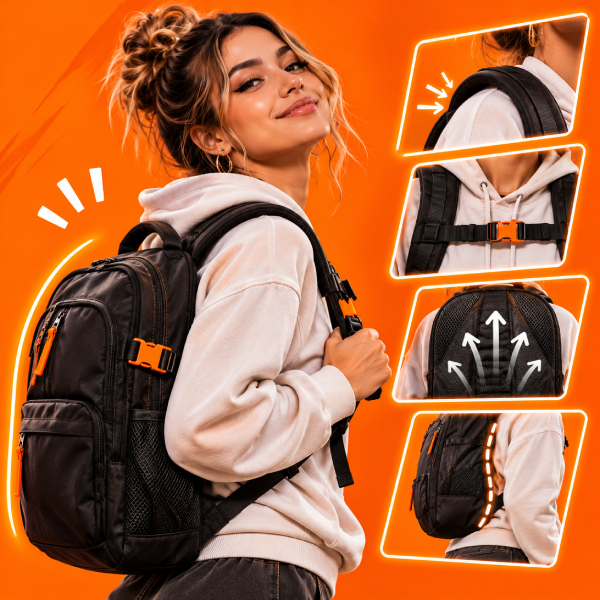
- Put both shoulder straps on and stand naturally.
- Tighten the straps evenly until the backpack sits close to your back.
- Check that neither strap creates uncomfortable pressure.
- If available, adjust the chest strap and hip belt for additional stability and support.
Useful tip: Place heavier items close to your back rather than in the outermost compartments. This reduces backward pulling and helps keep the load balanced.
Always test the fit with your usual belongings inside. An empty backpack can feel comfortable but behave differently when loaded.
Explore the Collection
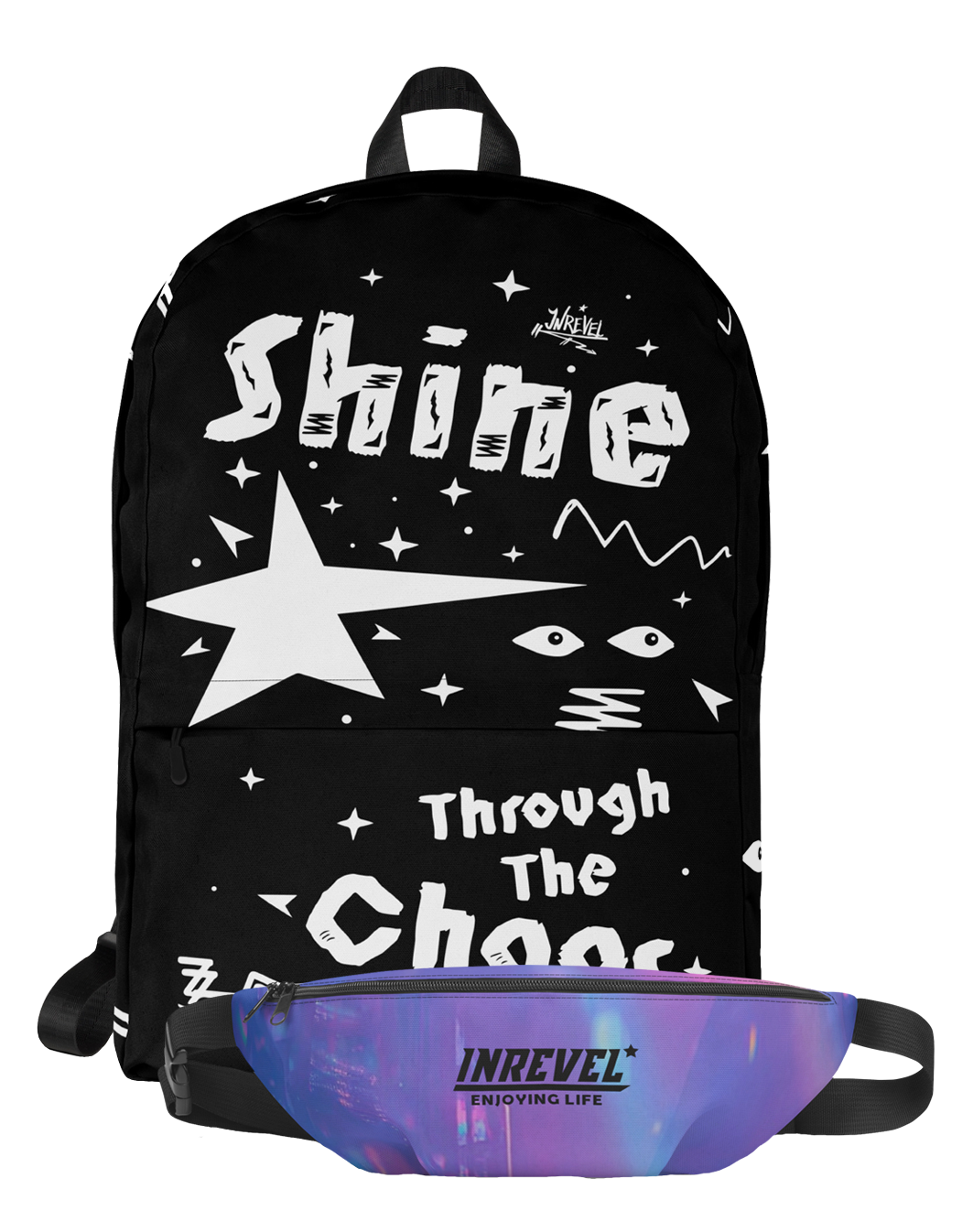
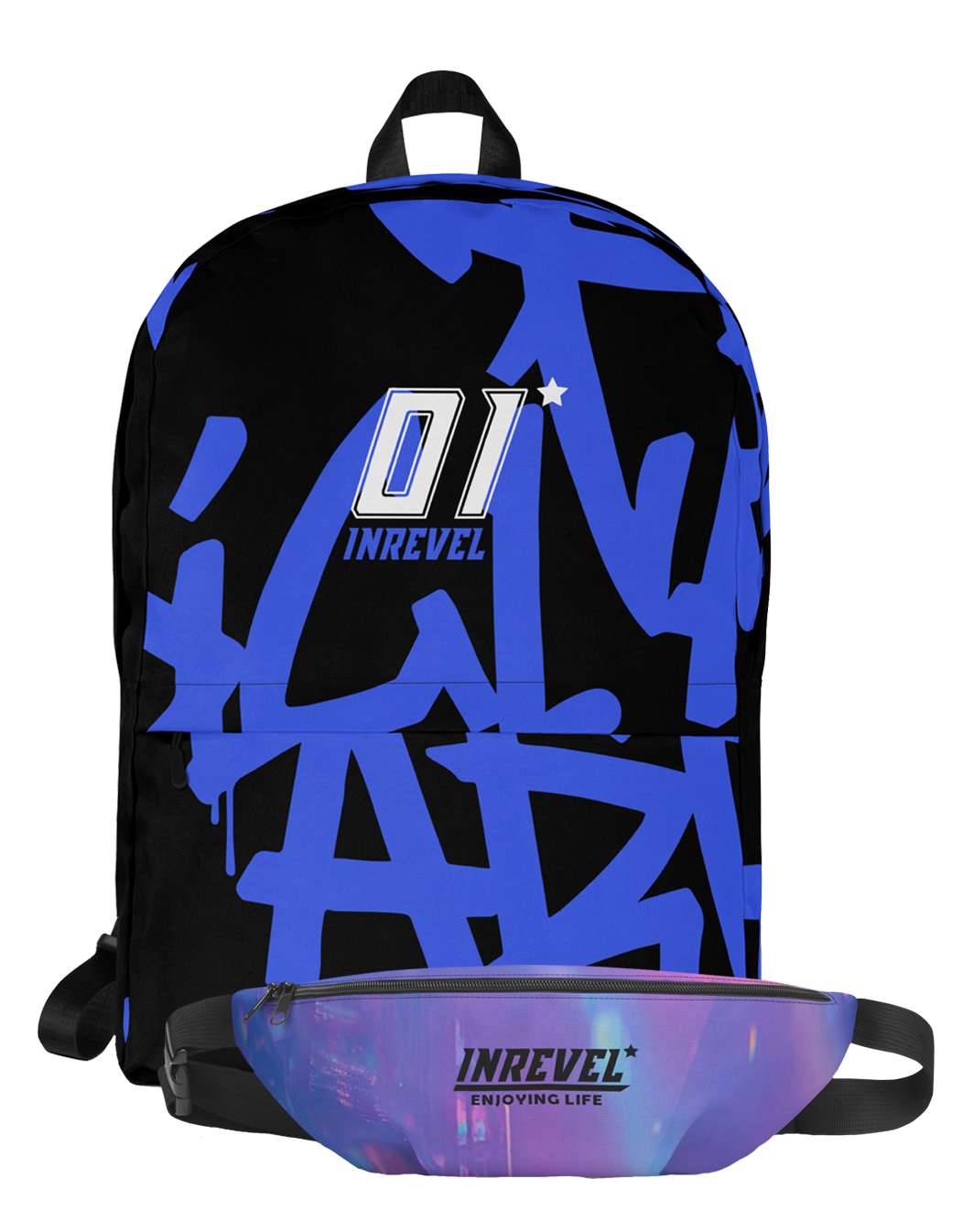
Discover INREVEL’s women’s backpacks and men’s backpacks to find a design that suits your daily routine. Compare individual dimensions, strap designs and storage layouts to choose a backpack that combines everyday comfort with your personal style.



















Leave a Reply