
 13.11.2026
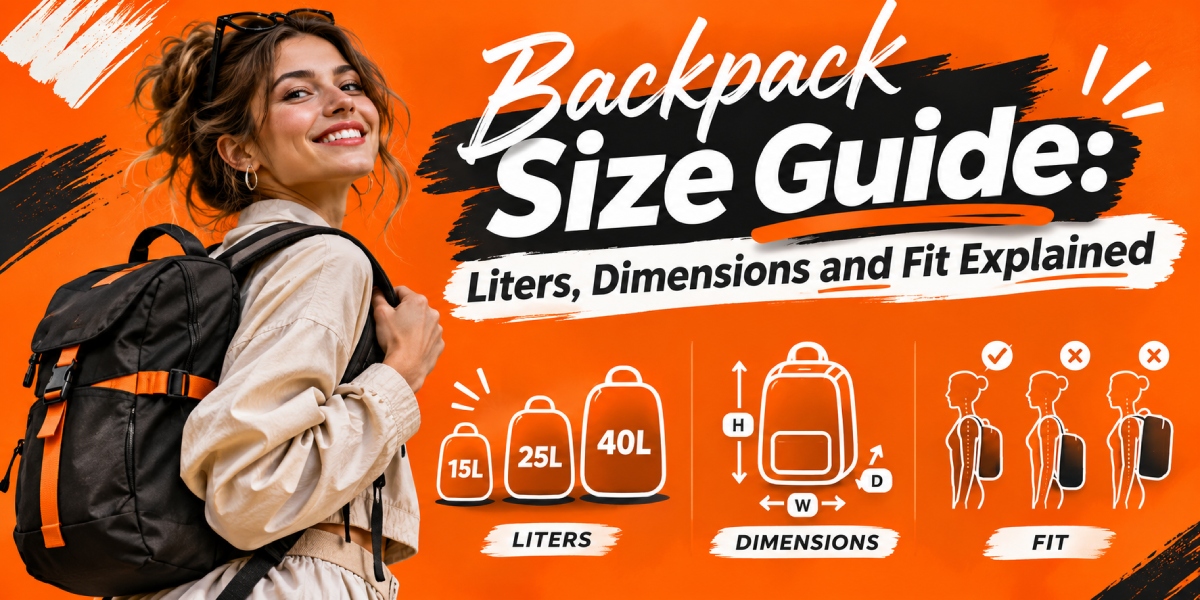
Quick Answer: Backpack size is determined by capacity in litres, external dimensions and how comfortably the bag fits your body. Capacity describes storage volume, while dimensions indicate physical size. A 15–25 litre backpack is a practical starting point for everyday use, commuting and university.
Backpack Capacity: What Do Litres Mean?
Litres measure how much a backpack can hold. Two backpacks with identical capacities may have different shapes, compartment layouts and usable storage space.
| Capacity | Typical Use |
|---|---|
| 5–15 L | Personal essentials and short outings |
| 15–25 L | Commuting, work and university |
| 25–35 L | Gym sessions and day trips |
| 35–50 L | Weekend travel and longer outings |
These ranges are approximate. Choose according to your belongings rather than capacity alone.
Understanding Backpack Dimensions and Fit
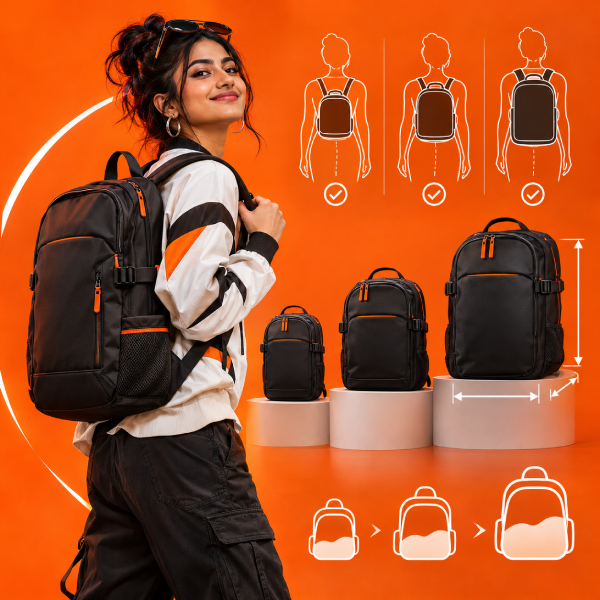
Backpack dimensions are usually listed as height, width and depth in centimetres.
- Height: Determines how much of your back the bag covers.
- Width: Affects how comfortably the bag fits across your back.
- Depth: Determines how far the backpack extends behind you.
For example, a backpack measuring 40 × 30 × 15 cm has a rectangular bounding volume of 18 litres. Its actual storage capacity may be smaller because of its shape, padding and construction.
Adjust the shoulder straps so the backpack sits close to your back without hanging excessively low.
Useful tip: Check internal compartment dimensions when buying a backpack for a laptop. External measurements don’t guarantee that your device will fit.
Explore the Collection
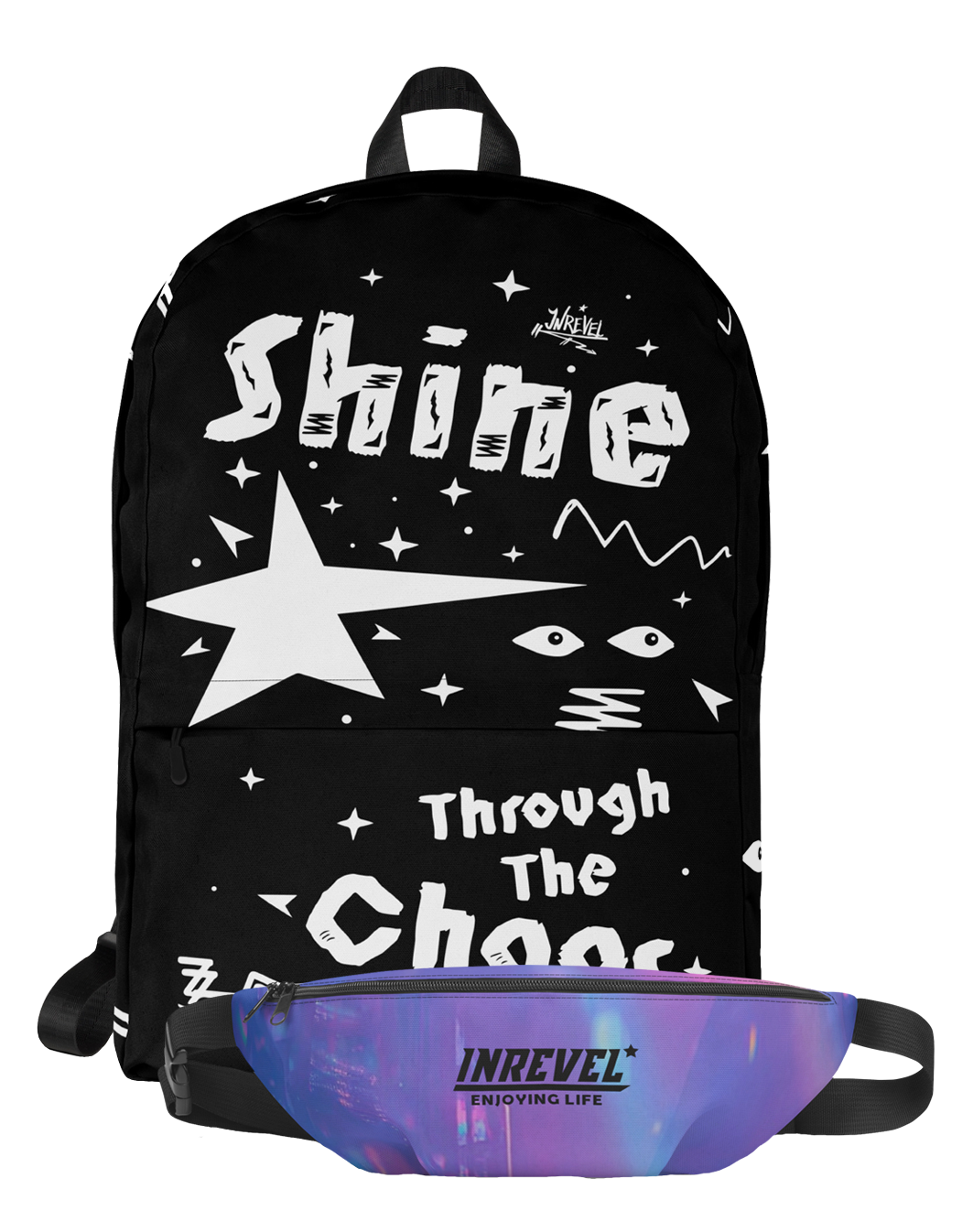
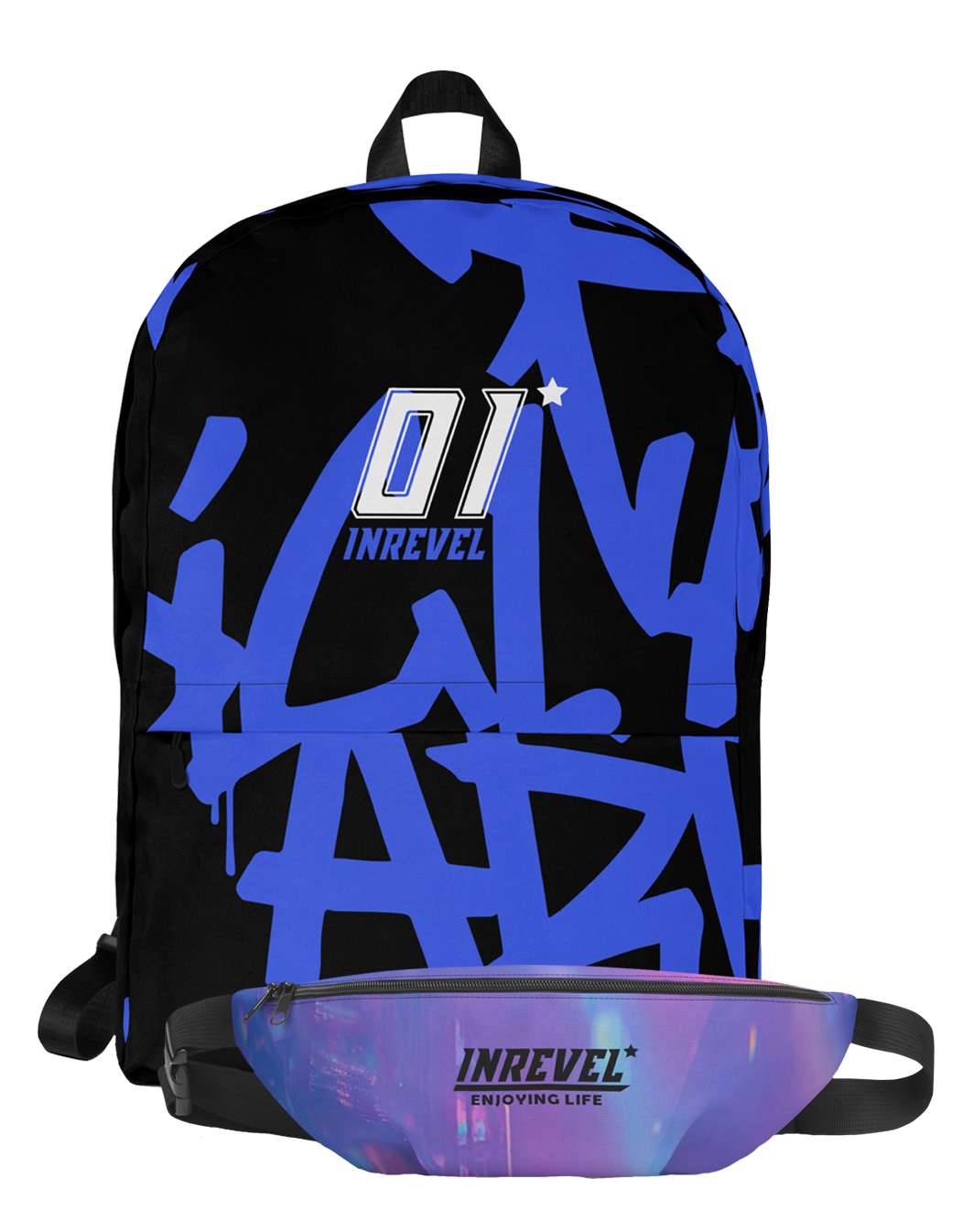
Discover INREVEL’s women’s backpacks and men’s backpacks. Compare individual capacities, dimensions and compartment layouts to find a backpack that complements your style and accommodates your everyday essentials.













Leave a Reply