
 10.11.2026
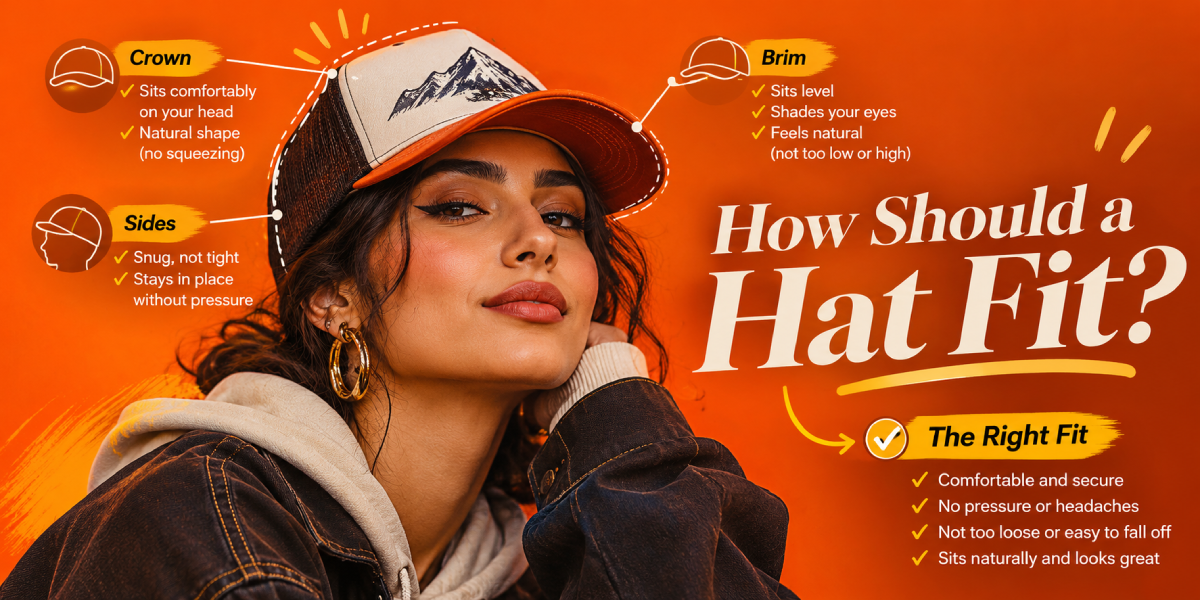
A hat can look fantastic but still be uncomfortable if it doesn’t fit properly. Too tight, and it puts pressure on your forehead. Too loose, and you’re constantly adjusting it.
A properly fitting hat should sit securely on your head without squeezing, slipping or causing discomfort. It should stay in place during normal movement while feeling comfortable enough to wear for an extended period.
Here’s how to tell whether your hat fits correctly — and what to do if it doesn’t.
1. How Tight Should a Hat Be?
A hat should feel comfortably snug, not tight.
For fitted hats and baseball caps, the inner band should rest gently against your head without creating painful pressure around your forehead or temples.
A little contact pressure is normal, but the hat shouldn’t feel like it’s squeezing your head.
Quick test: Wear your hat for several minutes. If you start feeling uncomfortable pressure, the fit may be too tight or the crown shape may not suit your head.
2. How Loose Should a Hat Be?
A hat should have enough room to feel comfortable but not so much that it moves around constantly.
If you nod or turn your head gently, a properly fitted hat should remain reasonably stable.
If it slides down toward your eyebrows, shifts noticeably during normal movement or falls off easily, it may be too loose.
However, different styles have different intended fits. A relaxed bucket hat may move more than a fitted baseball cap.
3. Where Should a Hat Sit on Your Head?
Most fitted hats and baseball caps sit around the upper forehead, generally about 1–2 cm above the eyebrows, with the band extending around the head above the ears.
But there is no single correct position for every hat.
Some caps are designed to sit deeper, while certain fashion hats sit higher on the head. Beanies can cover the ears or sit above them depending on their style.
The important thing is that the hat sits naturally at its intended position without constant adjustment.
4. Signs Your Hat Is Too Tight
A hat may be too small or poorly shaped for your head if:
- it causes uncomfortable pressure around your forehead or temples;
- you develop a headache while wearing it;
- it leaves deep or painful marks;
- it feels difficult to put on or remove;
- the band digs into your skin.
Important: A hat shouldn’t need to cause discomfort before it starts fitting correctly.
5. Signs Your Hat Is Too Loose
A hat may be too large if:
- it constantly slides over your eyebrows;
- it shifts noticeably when you move your head;
- it falls off during ordinary movement;
- there are large gaps between the band and your head;
- you repeatedly need to adjust its position.
If your hat is adjustable, try tightening the closure gradually. If it’s a fitted hat, you may need a smaller size or a different crown shape.
6. How Should a Baseball Cap Fit?
A baseball cap should sit securely around your head, with the crown resting comfortably and the brim staying in your preferred position.
For an adjustable cap:
- Put the cap on at your preferred height.
- Adjust the strap or closure until the cap feels secure.
- Check that the band doesn’t squeeze your forehead.
- Turn your head gently to see whether the cap stays in place.
For fitted baseball caps, choosing the correct size is especially important because there’s no adjustable closure to compensate for an incorrect fit.
7. How Should a Beanie Fit?
A beanie should fit comfortably around your head without sliding upward or squeezing excessively.
Because most beanies are knitted, they stretch to accommodate different head shapes and sizes.
There are several common beanie fits:
- Fitted: Sits closer to the head with minimal extra fabric.
- Cuffed: Has a folded edge that can add warmth and structure.
- Slouchy: Includes extra fabric at the back or top for a relaxed silhouette.
A beanie may cover your ears or sit above them depending on the design and how you prefer to wear it.
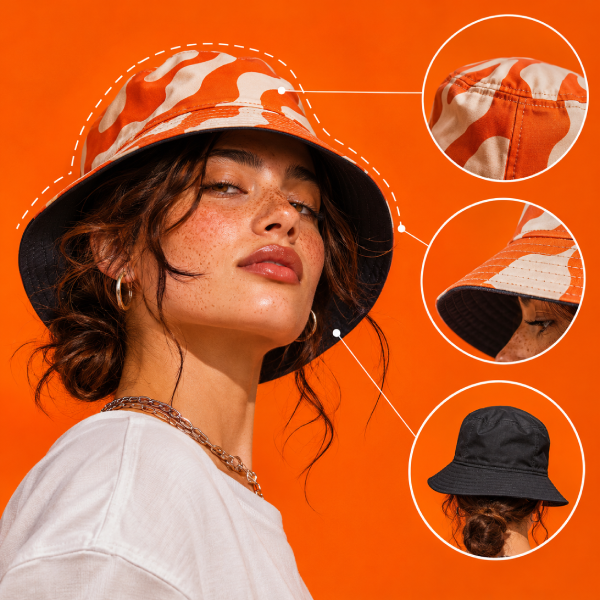
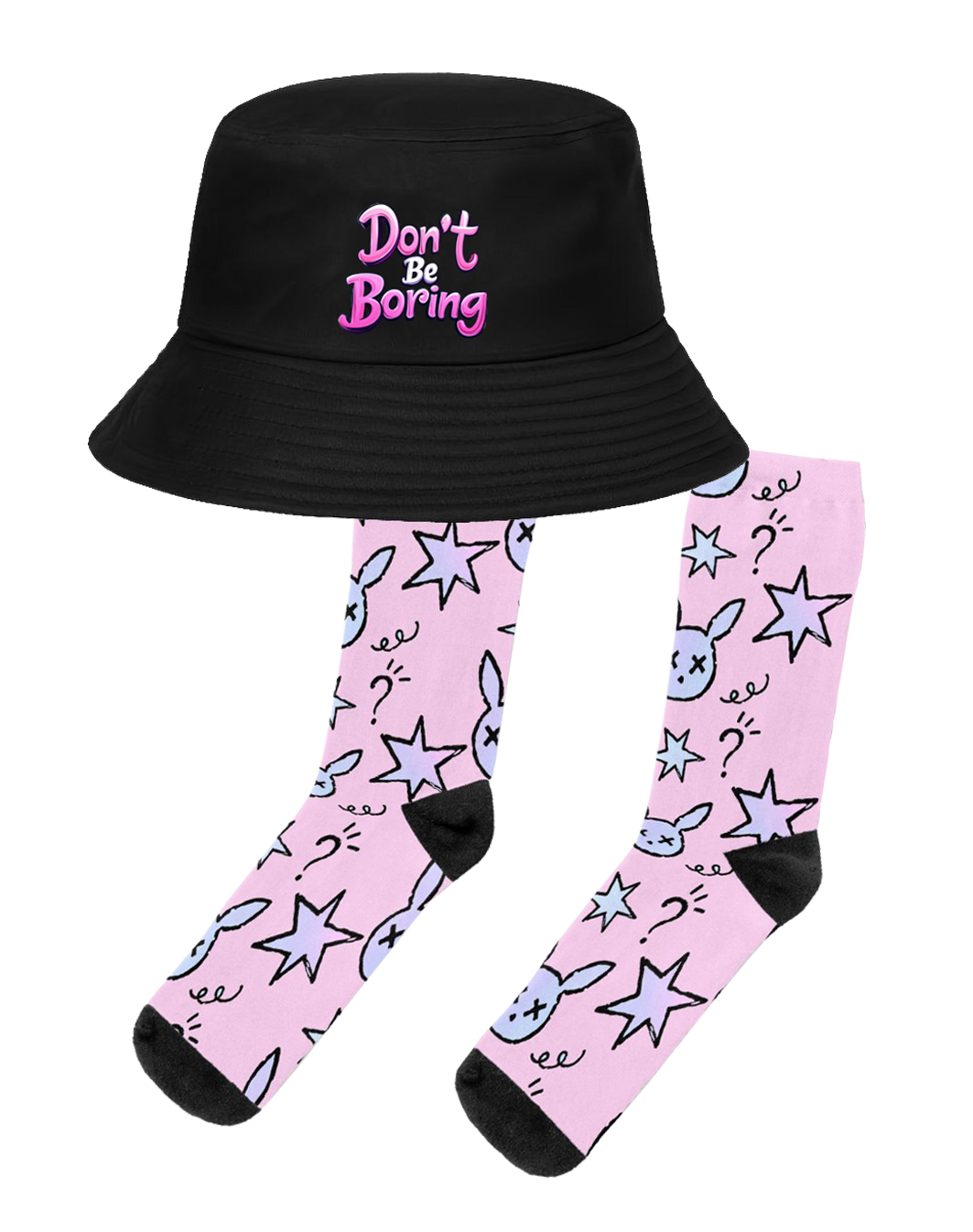
8. How Should a Bucket Hat Fit?
A bucket hat generally sits comfortably around the crown of your head, with the brim extending downward around the sides.
It shouldn’t grip your head tightly, but it should feel secure enough for ordinary movement.
If the crown is too shallow, the hat may sit awkwardly high. If it’s too deep, the brim may fall too low over your eyes.
Both circumference and crown depth matter when choosing a bucket hat.
9. How Should a Structured Hat Fit?
Structured hats, such as certain felt hats or traditional brimmed styles, often have less flexibility than knitted beanies or adjustable caps.
The inner band should follow your head comfortably without creating concentrated pressure points.
If the hat feels tight at the front and back but loose at the sides, the crown may be too round for your head shape. The opposite can happen with a crown that’s too oval.
In these cases, changing the crown shape may be more effective than simply choosing a different size.
Hat Fit Comparison: Quick Guide
| Hat Style | Ideal Fit | What to Check |
|---|---|---|
| Baseball Cap | Secure and comfortably snug | Band pressure, stability, crown depth |
| Beanie | Comfortable stretch without slipping | Stretch, ear coverage, intended silhouette |
| Bucket Hat | Relaxed but reasonably stable | Crown depth, brim position, movement |
| Structured Brimmed Hat | Even contact without pressure points | Head shape, inner band, circumference |
10. How to Check Your Hat Size
If your hat doesn’t fit correctly, measuring your head is the best starting point.
- Take a flexible measuring tape marked in centimetres.
- Wrap it around your head where the hat’s inner band will sit, usually approximately 1–2 cm above your eyebrows.
- Keep it comfortably snug without pulling it tightly.
- Record your head circumference in centimetres.
- Compare the result with the manufacturer’s hat size chart.
For example, a head circumference of 58 cm generally corresponds to approximately EU hat size 58.
Remember that numeric sizes, letter sizes and actual fit can vary by brand.
11. What If You’re Between Hat Sizes?
If your measurement falls between two available sizes, consider the hat’s construction.
For a structured, non-stretch hat, the larger size is often a more comfortable starting point, especially if the smaller option creates pressure.
For adjustable caps, check whether both measurements fall within the available adjustment range.
For stretchy beanies, follow the manufacturer’s recommended size range rather than assuming you need to size up.
12. Can You Make a Hat Fit Better?
Sometimes, yes.
Adjustable caps: Use the strap or closure to improve the fit.
Slightly loose structured hats: Suitable hat-sizing inserts placed behind the inner band may help reduce excess room.
Beanies: Try adjusting the cuff or wearing position if the design allows it.
However, don’t rely on stretching or shrinking a hat to correct a major sizing problem. These methods can damage the material or permanently distort its shape.
How Should Women’s Hats Fit?
Women’s hats should follow the same basic comfort principles: secure positioning, even contact and no painful pressure.
Hair volume and hairstyle can influence the fit, especially with structured hats and fitted caps.
Explore our women’s accessories for accessories that complement your outfits, and check each hat’s measurements before ordering.
How Should Men’s Hats Fit?
Men’s hats should feel stable without squeezing, with enough crown depth for a comfortable position.
As with women’s hats, head circumference matters more than the gender label. Crown shape and adjustability can make a significant difference.
Browse our men’s accessories and compare individual product sizing information to find the fit you prefer.
30-Second Hat Fit Test
Put on your hat and check five things:
- Pressure: Does the hat feel comfortable around your forehead and temples?
- Stability: Does it stay in place when you turn your head gently?
- Position: Does it sit at the height you prefer?
- Shape: Does the crown follow your head without obvious pressure points?
- Comfort: Can you wear it without constantly adjusting it?
If all five answers are yes, you’ve probably found a good fit.
Quick Answer: How Should a Hat Fit?
A hat should fit comfortably snug without squeezing your head or slipping during normal movement. It should sit naturally at its intended height, provide even contact around your head and remain comfortable during extended wear.
The ideal fit depends on the hat style: baseball caps should feel secure, beanies should stretch comfortably, and structured hats should match both your head circumference and shape.
The golden rule: A properly fitting hat stays where you want it without causing pressure, discomfort or constant adjustment.










Leave a Reply