
 10.11.2026
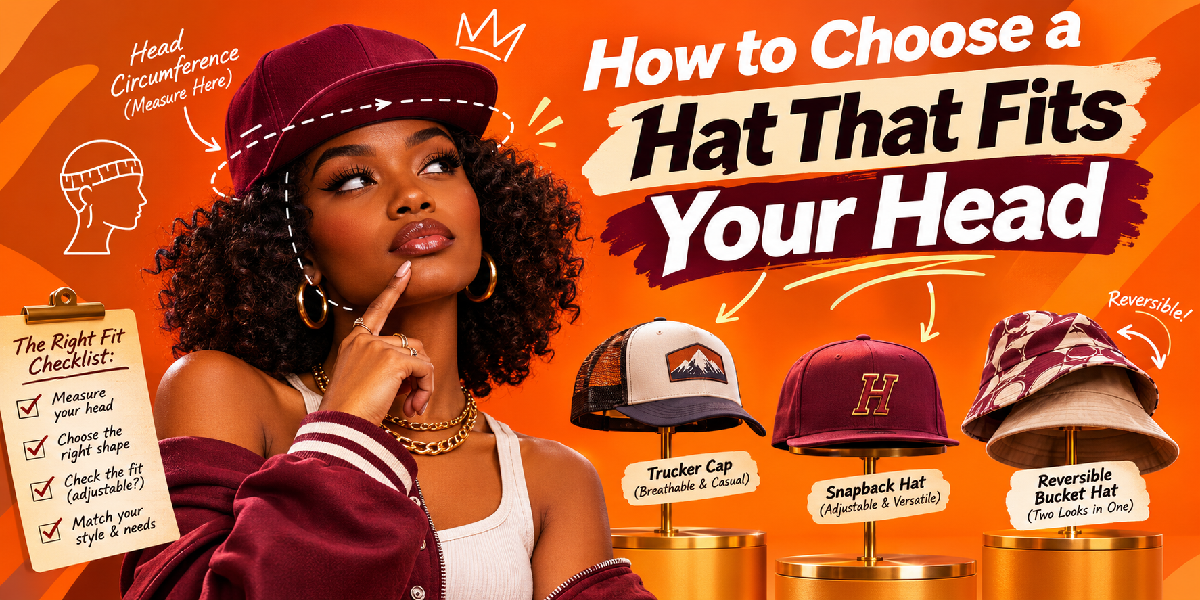
A great hat should feel comfortable, stay in place and look natural on your head. But finding the right size isn’t always as simple as choosing S, M or L.
The easiest way to choose a hat that fits is to measure your head circumference in centimetres, compare it with the brand’s size chart and consider the hat’s shape and adjustability.
Here’s how to find the right fit without guessing.
1. Measure Your Head Circumference
Head circumference is the most important measurement when choosing a hat.
You’ll need a flexible measuring tape and a mirror.
- Place the measuring tape around your head, approximately 1–2 cm above your eyebrows.
- Guide it around the widest part of the back of your head, following the position where the hat’s inner band will sit.
- Keep the tape level and comfortably snug without pulling it tight.
- Record the measurement in centimetres.
- Repeat once to make sure the result is consistent.
For example, if your head measures 58 cm, start by checking hats designed for approximately that circumference.
Tip: If you don’t have a flexible measuring tape, use a non-stretch string and then measure it against a ruler.
2. Understand European Hat Sizes
Many European hat sizing systems use numbers corresponding approximately to head circumference in centimetres.
For example, a hat marked 58 is generally intended for a head measuring around 58 cm.
However, S, M, L and XL labels vary between brands, so always check the manufacturer’s measurements.
Hat Size Chart in Centimetres
Use this general guide as a starting point for adult hat sizing.
| Head Circumference | Approximate Letter Size | European Numeric Size |
|---|---|---|
| 54–55 cm | S | 54–55 |
| 56–57 cm | M | 56–57 |
| 58–59 cm | L | 58–59 |
| 60–61 cm | XL | 60–61 |
| 62–63 cm | XXL | 62–63 |
Important: This chart is approximate. Letter sizes are not standardized, and some brands group measurements differently or offer sizes outside these ranges.
3. Know How a Properly Fitting Hat Should Feel
A hat should sit securely without squeezing your head.
Check these signs of a good fit:
- It stays in place when you move your head naturally.
- It doesn’t create uncomfortable pressure around your forehead or temples.
- It sits at your preferred height without constantly sliding down.
- It doesn’t leave deep, painful marks after ordinary wear.
- You can wear it comfortably for an extended period.
A little contact pressure is normal, especially with fitted caps, but discomfort is a sign that something needs adjusting.
4. What If You’re Between Two Hat Sizes?
If your measurement falls between available sizes, the best choice depends on the hat’s construction.
For structured, non-stretch hats: The larger size is often the safer starting point, particularly if the smaller option would create pressure.
For stretchy beanies: Follow the manufacturer’s recommended size range, since the fabric is designed to stretch.
For adjustable caps: Check that your measurement falls comfortably within the available adjustment range.
Don’t assume that every hat will stretch enough to compensate for an incorrect size.
5. How Should a Baseball Cap Fit?
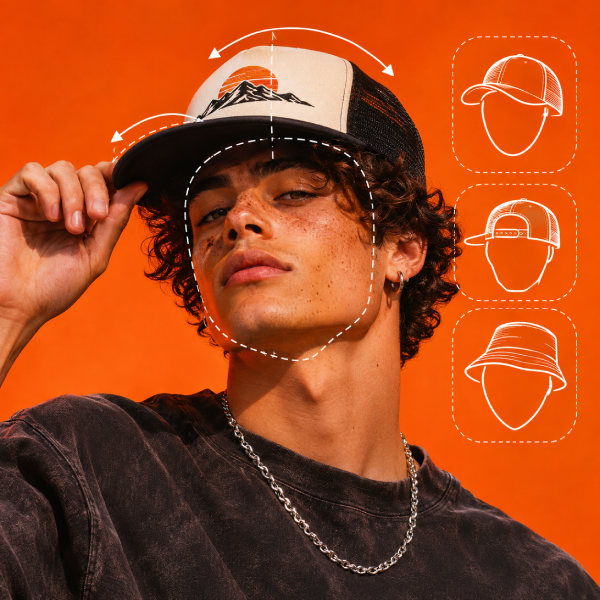
A baseball cap should feel secure around your head without squeezing your forehead.
The crown should sit comfortably, and the brim should remain in your chosen position without the cap constantly moving.
If it has an adjustable strap, tighten it gradually until the cap feels stable.
Signs of a poor fit: The cap leaves painful pressure marks, slides over your eyebrows or feels unstable even after adjustment.
6. How Should a Beanie Fit?
Beanies are different because their knitted fabric is usually stretchy.
A good beanie should fit comfortably around your head and remain in place without constantly sliding upward.
Some beanies are designed to fit close to the head, while others intentionally have extra fabric at the top for a slouchy look.
Check the product description for terms such as fitted, cuffed, slouchy or one size to understand the intended silhouette.
7. Does Head Shape Matter?
Yes. Head circumference is important, but it doesn’t tell the whole story.
Two people can have the same head circumference but different head shapes.
Some hats have rounder crowns, while others are more oval. A hat that matches your circumference may still feel uncomfortable if its internal shape doesn’t suit your head.
If a hat creates pressure at the front and back while leaving noticeable gaps at the sides, or vice versa, the crown shape may be the problem rather than the numeric size.
8. Does Hair Affect Hat Size?
It can, particularly if you have thick, curly or voluminous hair.
If you regularly wear your hair underneath your hat, measure your head with your hair arranged as you normally plan to wear it.
For fitted hats, hairstyles with substantial volume may require extra room. Adjustable caps and stretchy beanies often offer more flexibility.
9. Should a Hat Sit Above or Cover Your Ears?
That depends on the style.
Baseball caps: Usually sit above the ears, with the lower edge resting comfortably around the head.
Beanies: Can sit above the ears or cover them, depending on the design and weather.
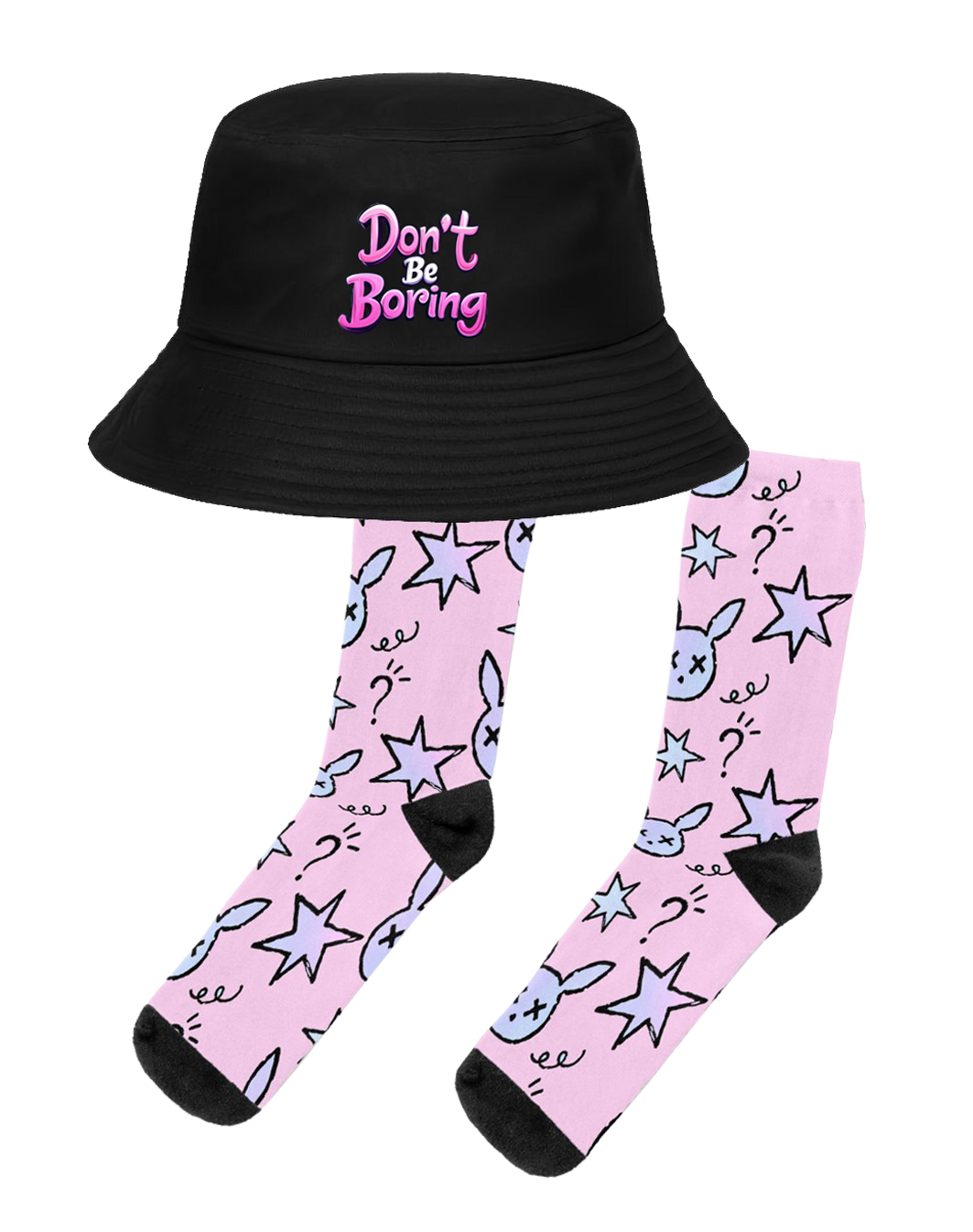
Bucket hats: Generally sit around the upper head, with the brim extending around the sides.
There’s no single correct position for every hat. Follow the intended design and prioritize comfort.
10. Common Hat Sizing Mistakes
Avoid these mistakes when buying hats online:
- Guessing your size: Measure your head instead of assuming you wear M or L.
- Pulling the measuring tape too tightly: This can produce a smaller measurement than you need.
- Ignoring the brand’s chart: Letter sizes can vary significantly.
- Forgetting head shape: Circumference alone doesn’t guarantee comfort.
- Assuming one size fits everyone: One-size hats still have limits.
- Choosing appearance over comfort: A great-looking hat isn’t useful if it gives you a headache.
How to Choose Women’s Hats and Accessories
For women’s hats, start with your head circumference rather than assuming women’s sizing automatically means a smaller fit.
Consider how you’ll wear your hair, whether you prefer a fitted or relaxed shape, and whether the hat has adjustable sizing.
Explore our women’s accessories to find finishing touches for your everyday outfits, and check the individual product measurements before choosing a hat.
How to Choose Men’s Hats and Accessories
Men’s hats follow the same basic sizing principle: measure your head and compare the result with the product’s size chart.
Don’t assume that all men’s caps or beanies fit the same way. Crown depth, stretch and adjustment mechanisms can make a noticeable difference.
Browse our men’s accessories and look at the fit and sizing information for each product.
Quick Answer: How to Choose a Hat That Fits Your Head
To choose the right hat size, measure around your head approximately 1–2 cm above your eyebrows and compare the result in centimetres with the manufacturer’s size chart.
Then consider the hat’s material, crown shape and adjustability. A fitted hat should sit securely without painful pressure, while a stretchy beanie should feel comfortable and stay in place.
The golden rule: The right hat should look good, feel comfortable and stay where you want it — without squeezing, slipping or constant adjustment.








Leave a Reply